Enjoy a virtual walk at River Ranch County Park

** ARCHIVED POST – LINKS AND IMAGES MAY NOT WORK**
— by Sue Wiseman

* River Ranch County Park, in Williamson County, TX, is currently closed while under construction. **

Join us as Sue Wiseman, NPSOT-Wilco member, narrates this preview of the stunning River Ranch County Park located along the San Gabriel River. We are grateful to the Williamson County Parks and Recreation Department for allowing NPSOT to get an early glimpse of what’s to come and many thanks to our tour guide, Alejandra Urista.

When opened later in 2021, this beautiful 1,354 acres of meadowlands, woodlands, hills and escarpments that provide hill country vistas between Leander and Liberty Hill will offer park users the opportunity to camp, picnic, hike, bike, ride their horses, nature watch or just relax outside.

River Ranch will showcase an approximate 4,800 square foot Interpretive Center, where you can learn about the natural, cultural and historic resources that make this park so special. Group pavilions and classroom/meeting space can also be reserved for those family, church, civic, business and other group type gatherings you may have.

Click on the image earlier in this article to watch the video, or use this link.  Find all NPSOT-Wilco videos on our YouTube channel.

** ARCHIVED POST – LINKS AND IMAGES MAY NOT WORK**
Field Trip Announcement: Sat. March 14, 10:00am, Bootys Road Park Trail, Georgetown

** ARCHIVED POST – LINKS AND IMAGES MAY NOT WORK**
—   by Vicky Husband

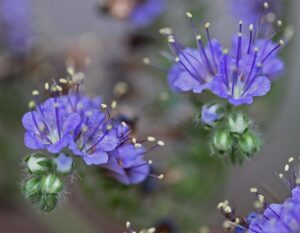
Phacelia congesta - Blue Curls
Phacelia congesta – Blue Curls

Introduction to Native Plants: Spring Walk.  Location: 1631 Booty’s Park Road, Georgetown, TX 78628.  Join us for a Spring Walk as we locate the early bloomers and learn about plants native to our area.  Booty Road Park Trail is a 2.4 mile moderately trafficked “out and back” trail that offers scenic views and is good for all skill levels. The trail is a combination of paved and unpaved, some up and down elevations, parts densely shaded, with good bird watching opportunities including a vulture’s roost.

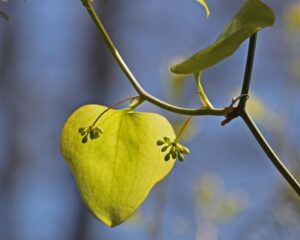
Smilax bona-nox - Greenbriar
Smilax bona-nox – Greenbriar

We expect to see cedar elm, ashe juniper, live oak, osage orange, hackberry, greenbriar, boxelder and mexican buckeye.  We will turn around at Weir dam, a sunny spot with switch grass, bushy bluestem and dewberry.  We will keep a look-out for some favorites including maidenhair fern, blue curls, early wildflowers such as Englemann’s daisy, bluebonnet and mexican hat.

Free entrance, lots of parking, restrooms available.  Look for FT leader Gary… no RSVPs required!

** ARCHIVED POST – LINKS AND IMAGES MAY NOT WORK**

Field Trip Report: A Post-Thanksgiving Day Walk Along Brushy Creek Regional Trail – West on November 30, 2019

** ARCHIVED POST – LINKS AND IMAGES MAY NOT WORK**

Trip report by Kathy McCormack; photos courtesy of Nancy Pumphrey, Dave Gage, and Kathy McCormack

After a chilly, drizzly Thanksgiving, and a foggy, misty Black Friday, the Saturday after Thanksgiving was sunny and HOT – 87 degrees – breaking the old record by five degrees !  But eight chapter members drank their water as they walked two miles along the western end of the Brushy Creek Regional Trail from the YMCA in Cedar Park to Brushy Creek Sports Park.  We inspected the 23 newly-installed interpretive plant signs, and we were thrilled when we saw someone stop to read one of them.  Many thanks to Mark Pettigrew (WilCo Parks & Rec) for cementing in the new posts, and to all of the volunteers who helped sand and paint the old posts and caulk and uncover the new signs.

Little Texas Bluebonnet (Lupinus texensis) plants had already germinated, and the smooth, thick, green vines of Alabama Supplejack (Berchemia scandens) were quite noticeable due to the early frost which had caused most of the deciduous plants to lose their leaves.  We removed a few non-native Japanese Honeysuckle (Lonicera japonica) that had snuck in to a beautiful fern- and moss-covered seep area, and we scattered Antelope Horns (Asclepias asperula) seed in appropriate habitat – hopefully, there will now be more of this important larval host plant for the Monarchs in the spring.  The highlight of the walk may have been spotting a splitting seed pod of Anglepod (Matelea gonocarpos) near some dried but still distinctly-leaved Yellow Passionflower (Passiflora lutea).

** ARCHIVED POST – LINKS AND IMAGES MAY NOT WORK**