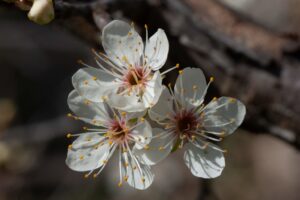
July 14 Chapter Meeting (in-person and virtual): Annual Meeting, 25th Anniversary and “Landscaping with Native Plants Series: Session #2, Gary Bowers’ Yard”

** ARCHIVED POST – LINKS AND IMAGES MAY NOT WORK**

This year is NPSOT-Williamson County Chapter’s 25th anniversary! 

Fireworks on black background

Celebrate with us at the chapter meeting on Thursday, July 14, 2022, at 7:00 PM.  We’ll recognize this great milestone and briefly cover annual chapter business before proceeding with our featured topic, Landscaping with Native Plants Series: Session #2, Gary Bowers’ Yard, presented by…. Gary Bowers!

Whether you attend in-person or via Zoom, our meetings are free and open to the public. (Trying to decide how to attend in July?  This month we have native plants to give away to in-person attendees and refreshments to celebrate our 25th.)

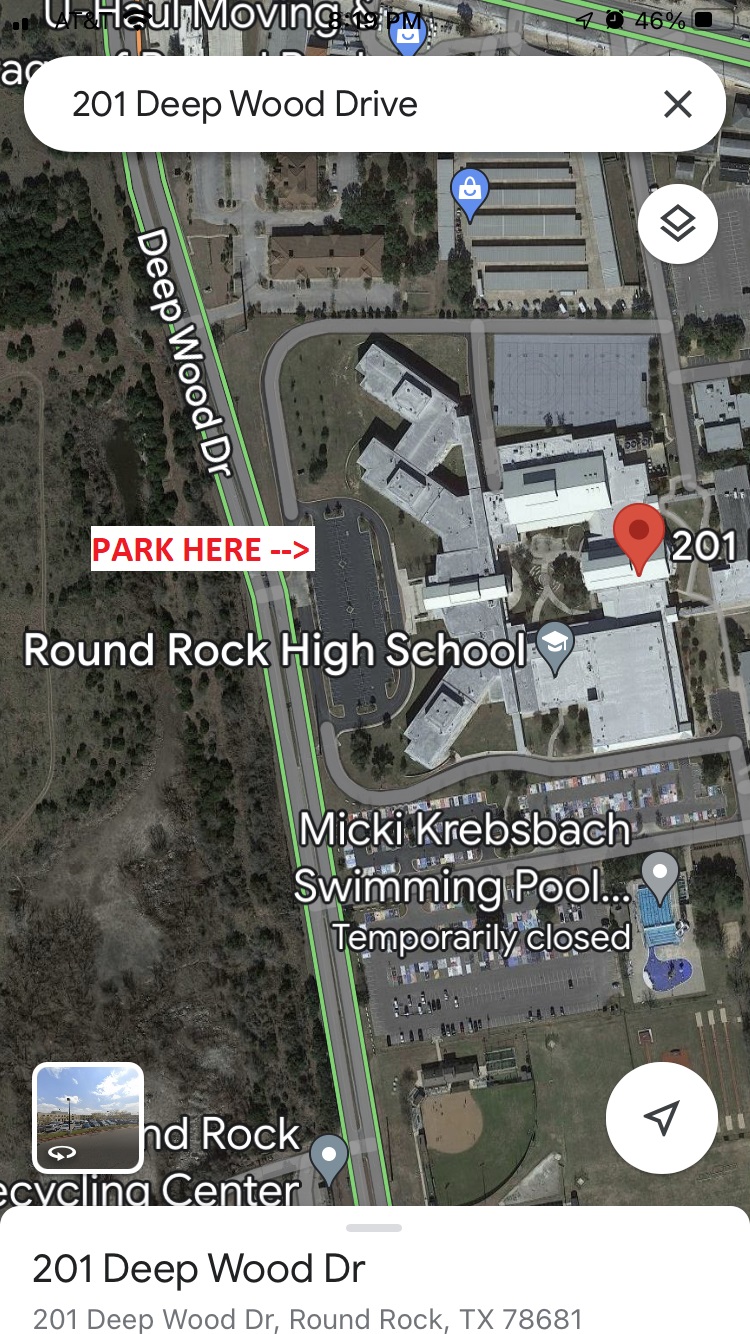
About our topic:  This month’s topic is the second session in a series called Landscaping with Native Plants which the chapter will lead over the coming months. On July 14, learn how one chapter member has embarked on a multi-year project to, in his words, “have a nicer view from the kitchen window.” This home is in Round Rock, east of I-35, in Blackland Prairie soils. Other topics in the series will be announced at a future date.

About our speaker and homeowner:  Gary Bowers grew up in northeast Tennessee and has always had a keen interest in nature and the outdoors — though he harbors a special passion for trees. Since moving to Central Texas in 2012, he has discovered the wonderful variety of Texas native plants. Gary is a past president of the NPSOT-Williamson County Chapter and has also served the chapter as an instructor for the chapter’s Native Landscape Certification Program (NLCP), a field trip leader, and more.  Gary works as a software developer in order to pay for new plants.

At every meeting, we give away a book — about native plants or the meeting topic — to one randomly chosen in-person meeting attendee and one Zoom attendee!

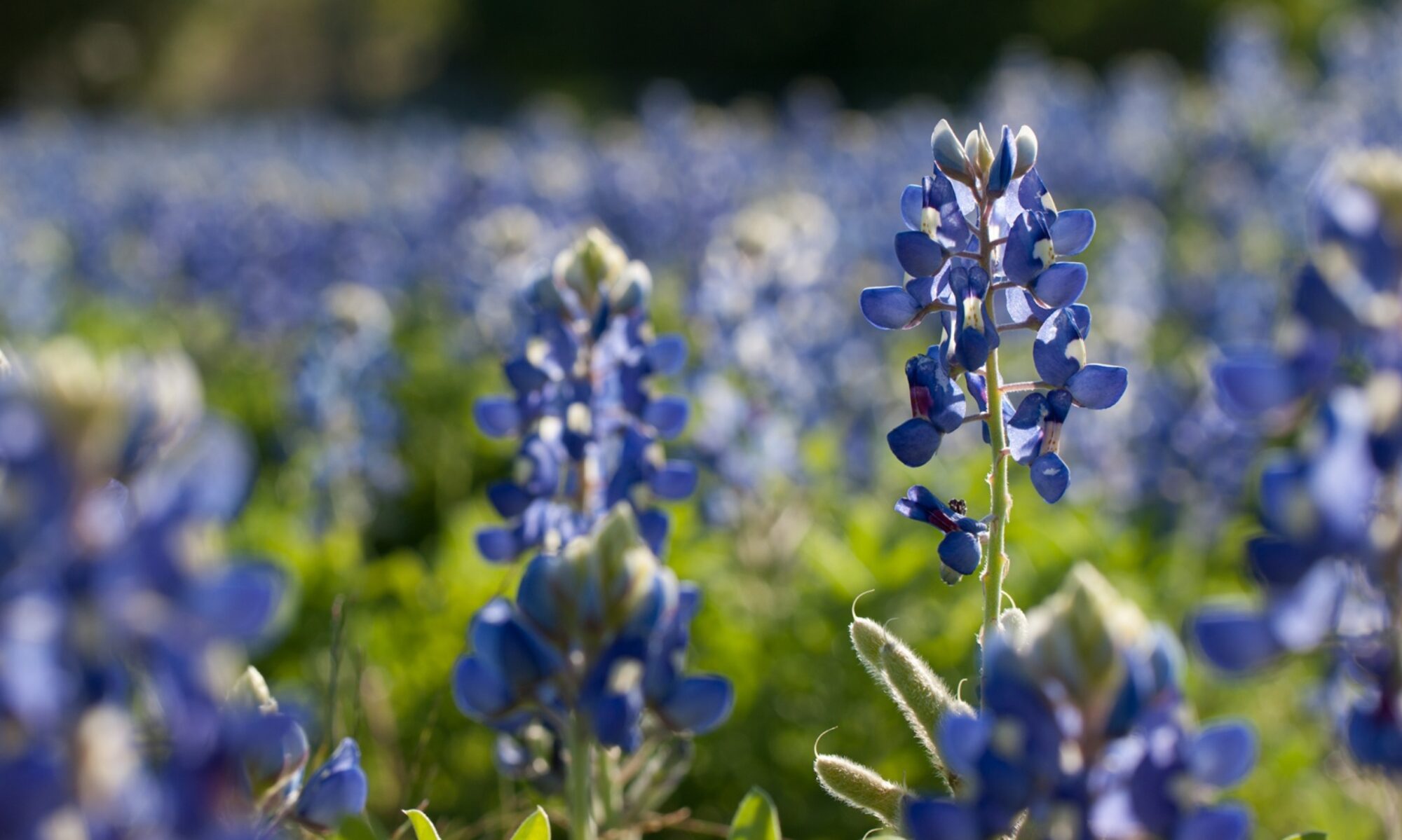
Bluebonnets, Lupinus texensis

——————-

NPSOT-Williamson County meetings are free and open to the public. We hope you attend!  Meetings may be in person, virtual, or both, so be sure to check details in the meeting announcement. Meetings are announced on our website, our calendar and Facebook.

** ARCHIVED POST – LINKS AND IMAGES MAY NOT WORK**
June 9 Chapter Meeting (in-person & virtual),”Gardening for Bats” with Erin Cord

** ARCHIVED POST – LINKS AND IMAGES MAY NOT WORK**
Join NPSOT-Williamson County on Thursday, June 9, 2022, when our featured topic will be Gardening for Bats with Erin Cord.   Free and open to the public. The meeting begins at 7:00 PM.

About our topic:  Erin will go over some bat basics and then talk about how you can help bats right in your own backyard by creating a bat garden!

Purple coneflower, Echinacea purpurea

About our speaker:  Erin Cord is the Community Engagement Manager for Bat Conservation International. She has been with BCI for almost 3 years and absolutely loves all things bats!  Erin got her undergraduate degree in Wildlife Ecology from the University of Delaware and her Masters in Wildlife Management from the Caesar Kleberg Wildlife Research Institute at Texas A&M Kingsville. Erin currently lives in Austin where she works to make her own yard a native plant and wildlife oasis.

At every meeting, we give away a book — about native plants or the meeting topic — to one randomly chosen meeting attendee!

——————-

NPSOT-Williamson County meetings are free and open to the public. We hope you attend!  Meetings may be in person, virtual, or both, so be sure to check details in the meeting announcement. Meetings are announced on our website, our calendar and Facebook.

** ARCHIVED POST – LINKS AND IMAGES MAY NOT WORK**

Native American Seed April 23 Field Trip Report

** ARCHIVED POST – LINKS AND IMAGES MAY NOT WORK**

— by Erin Buhl

On April 23rd we had our field trip to Native American Seed in Junction, Texas. The area was very dry and windy, and is part of a multi-county area of Central Texas currently experiencing drought level D4 – Exceptional, the most severe. The group included around 33 people from our chapter and the Austin Chapter, as well as some from the Master Naturalists group.

photo of group
Bill Neiman (top left) sharing a few words with the field trip participants. Photo by Vicky Husband.

The field trip started at the Hacienda House where Bill Neiman, the owner and founder of the company, spoke to us about his youth and how he got started in the business after initially doing a lot of landscaping work using exotics. Bill’s philosophy about the importance of native plants is summarized on the company’s website on their pages What We’re About, and Sensible People… Why Native Plants are the Right Choice, and I encourage you to read both articles.

Prairie Verbena (Glandularia bipinnatifida)
Prairie Verbena (Glandularia bipinnatifida). Photo by Erin Buhl.

Next, we made our way down to see the fields. Despite the dry conditions and difficulty of irrigating the fields, the beauty of the native flowers in spring shone through as you can see in these photos. Our tour guides, George and Emily, freely shared of their knowledge and answered our many questions. Some of the plants we saw that were currently in bloom were Prairie Verbena (Glandularia bipinnatifida), Mealy Blue Sage (Salvia farinacea), Winecup (Callirhoe leiocarpa), and Huisache Daisy (Amblyolepis setigera). We were too early in the year to see the field of Standing Cypress (Ipomopsis rubra) in bloom, but were told it is an amazing sight.

Mealy Blue Sage (Salvia farinacea) with Winecup interlopers (Callirhoe leiocarpa).
Mealy Blue Sage (Salvia farinacea) with Winecup “interlopers” (Callirhoe leiocarpa). Photo by Erin Buhl.
Huisache Daisy (Amblyolepis setigera).
Huisache Daisy (Amblyolepis setigera). Photo by Erin Buhl.

Eventually we made our way up to the equipment area and the seed collecting barn. The equipment and time needed to sort the seed from the chaff and ensure its purity and viability are surprising. The business has to take seed and farming equipment that is made for general use (corn, soybeans, etc.) and convert it to their purposes with so many different species of natives that they are growing. They are providing a unique and essential service to the entire state of Texas and I encourage everyone to support their business for your native seed needs.

** ARCHIVED POST – LINKS AND IMAGES MAY NOT WORK**