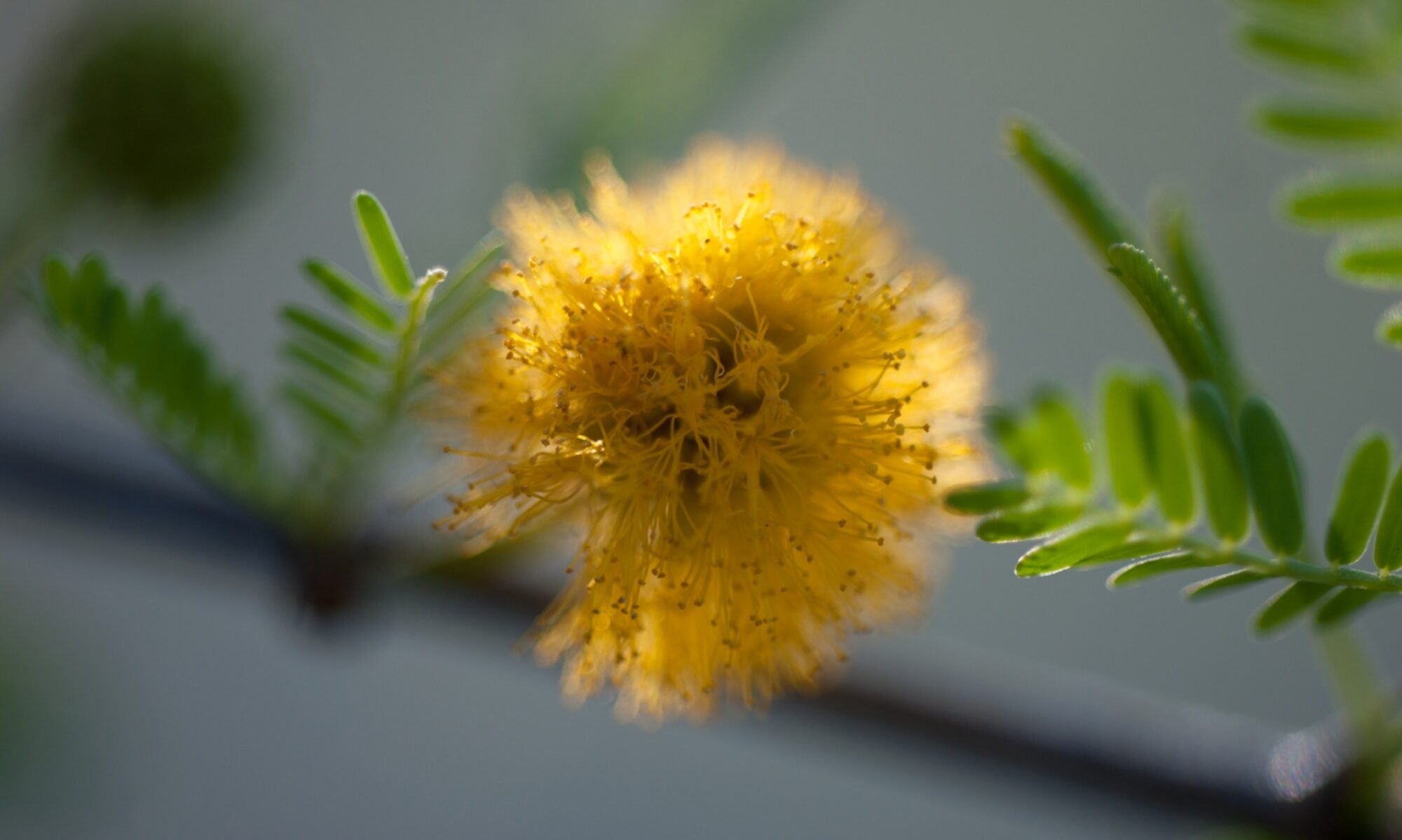
September 8 Chapter Meeting (in-person and virtual): LBJWC’s resource Native Plants of North America, with Joe Marcus

** ARCHIVED POST – LINKS AND IMAGES MAY NOT WORK**
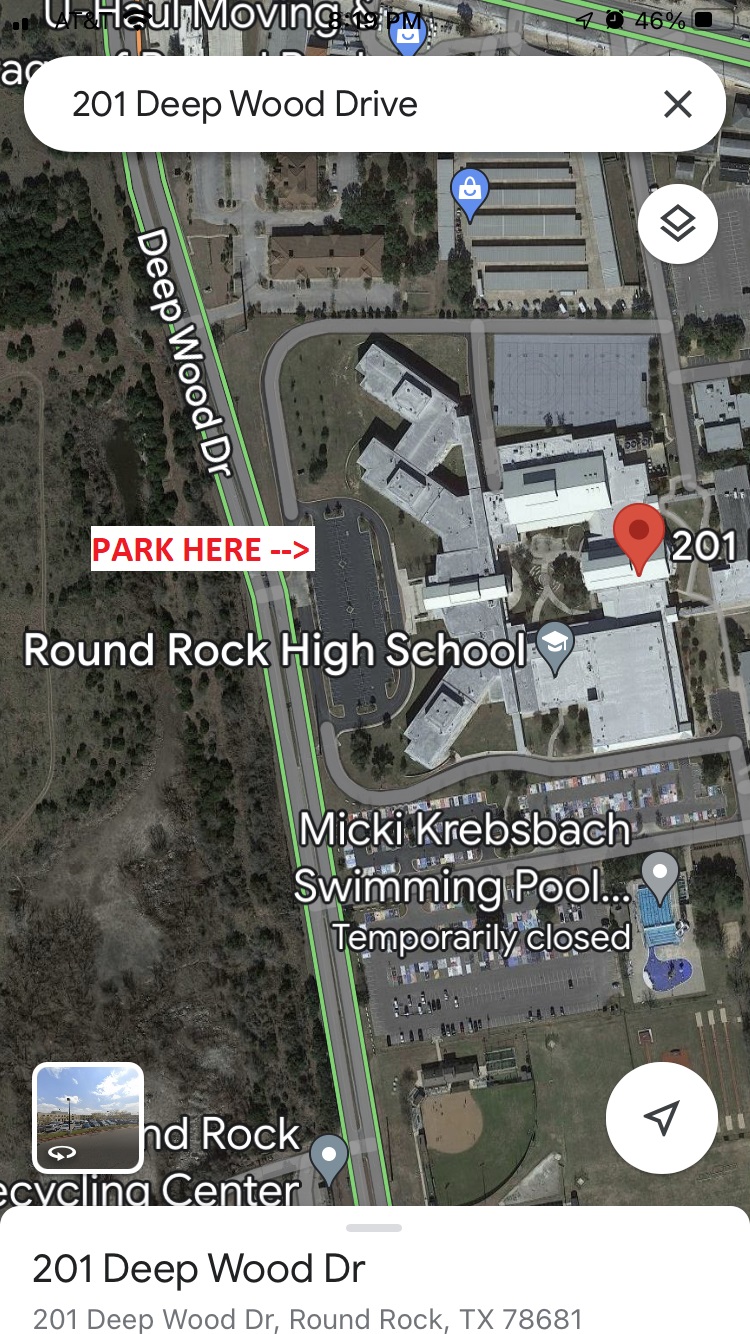
Join NPSOT-Williamson County on Thursday, September 8, 2022, when our featured topic will be LBJWC’s resource “Native Plants of North America” with Joe Marcus.  Free and open to the public. The meeting begins at 7:00 PM.

About our topic:  The presentation will cover the history of the Lady Bird Johnson Wildflower Center’s NPONA resource (Native Plants of North America), the current state of the resource, and upcoming changes.

About our speaker:  Joe Marcus began his work at the Wildflower Center in 2000, at first splitting time between gardening and database management.

Over time, the demands of the Center’s ever-growing plant databases necessitated giving up gardening.  Today, Joe manages all of the Center’s various plant databases including Native Plants of North America, the Image Gallery and Ask an Expert. Joe also manages the Wildflower Center’s library and the Center’s garden sign engraving program and is plant information editor for Wildflower magazine.

Before arriving at the Wildflower Center, Joe worked in wholesale nursery management for a number of years, having been raised in the nursery business and after receiving a bachelor’s degree in horticulture from the University of Georgia. He gained valuable database management experience during 21 years serving in the U.S. Navy and U.S. Navy Reserve. Joe’s attention to detail; love of language, writing and research; and his never-sated hunger for learning make him well-suited for the work he does at the Wildflower Center. His particular botanical interests are in plant taxonomy and plant morphology.

At every meeting, we give away a book — about native plants or the meeting topic — to one randomly chosen in-person meeting attendee and one Zoom attendee!

——————-

NPSOT-Williamson County meetings are free and open to the public. We hope you attend!  Meetings may be in person, virtual, or both, so be sure to check details in the meeting announcement. Meetings are announced on our website, our calendar and Facebook.

  • When:  We meet the second Thursday of each month from 7:00 to 8:30 PM. A short business meeting begins at 7:00 PM followed by our guest presentation.  (For in-person meetings, doors open at 6:30 PM. Check out the seed swap board, get advice from expert members, or just visit.)
  • Where:  In person and via Zoom. When in person, we normally meet at the Georgetown Public Library, 2nd floor, Hewlett Room, 402 West 8th St, Georgetown, TX 78626. If we are at a different physical location for any given month, the exception is announced in our blog, on our calendar, and on Facebook.
  • Monthly Meeting Guest Speakers: See past and upcoming topics at this link.
  • Recordings: Find video recordings of previous meetings and field trips on our YouTube channel at this link.

** ARCHIVED POST – LINKS AND IMAGES MAY NOT WORK**
What I Am Watering….

** ARCHIVED POST – LINKS AND IMAGES MAY NOT WORK**
— by Beth Erwin

I am being asked about watering native plants in the drought.  After all, we tout native plants as the correct landscaping choice to best tolerate and thrive in our climate extremes.  These days that is certainly being put to the test.

Texas Lantana, Lantana urticoides
Texas Lantana, Lantana urticoides. SH29 and Wolf Ranch Parkway, Georgetown

One shining example is this Texas Lantana, Lantana urticoides, growing practically in the concrete, at many degrees hotter than the thermometer reads on the corner of State Highway 29 (aka W University Avenue) and Wolf Ranch Parkway in Georgetown.  In the spring, the plant was smothered by invasive Johnsongrass and a couple other noxious species.  Now, as the dry, rain-free months have rolled on, the dead Johnsongrass is sort of a wispy garnish among the Lantana flowers.

I’m not watering the Texas Lantana in my yard.  I don’t have to.  It is loaded with flowers and frantic pollinators that will mean fruit for the birds.  I am watering, once a week or so, Mealy Sage, Salvia farinacea.  It would survive without water, but I have found a weekly drench keeps it flowering and that keeps the bumblebees going.

Bumblebee on Duelberg salvia, Salvia farinacea

That mindset, keeping up nectar sources for the insects and fruit available for migrating birds, is what determines which plants get water in my gardens.  The strain of Gaillardia pulchella we offered in our chapter native plant sale last fall will keep flowering if it gets water every couple of weeks.  The flowers are visited by many types of insects.  Lesser goldfinches flock to the seeds.  In one garden area I have a mound of red harvester ants.  About every third ant is marching its way back to the mound with a Gaillardia seed held aloft.

And finally, thinking toward the fall season, those species that provide the big, fresh, nectar supply going into winter—they are getting generously watered.  In my gardens those include Gregg’s Mistflower, Conoclinium greggii, White Mistflower, Ageratina havanensis, Fall Aster, Symphyotrichum oblongifolium, and Frostweed, Verbesina virginica.

Water source
Shallow water pan.

I have added more water sources around my gardens.  Shallow containers like the one pictured provide water to all sizes of critters.  The sticks and rocks provide landing places and access to small insects. I encourage everyone to make a few small steps to encourage stable populations of our key species in an increasingly sterile environment.

Photos by Beth Erwin.

** ARCHIVED POST – LINKS AND IMAGES MAY NOT WORK**

August 11 Chapter Meeting (in-person and virtual): “Advanced Monarch Biology and Conservation for Urban, Suburban and Rural Texans” with Ray Moranz, Ph.D.

** ARCHIVED POST – LINKS AND IMAGES MAY NOT WORK**

Join NPSOT-Williamson County on Thursday, August 11, 2022, when our featured topic will be Advanced Monarch Biology and Conservation for Urban, Suburban and Rural Texans with Ray Moranz, Ph.D.  Free and open to the public. The meeting begins at 7:00 PM.

Please note, whether you attend on August 11 in person or via Zoom, this month’s speaker will be virtual, joining us from Oklahoma.

About our topic:  Dr. Moranz will summarize some of the latest science regarding milkweeds and monarch nectar plants to help you choose the native plant species to add to your garden, farm or ranch. He will also discuss land management practices and sources of financial assistance with regards to creating and managing habitat for monarchs and other pollinators.

About our speaker:  Dr. Ray Moranz is the Grazing Lands Pollinator Ecologist for the Xerces Society for Invertebrate Conservation. Ray also serves as a Partner Biologist for the U.S. Department of Agriculture’s Natural Resources Conservation Service (NRCS) and assists the Central National Technology Support Center (CNTSC) in Fort Worth, TX, with pollinator conservation throughout the central U.S. Ray began studying grassland plant and butterfly communities in 2004 and earned his Ph.D. in Natural Resource Ecology and Management from Oklahoma State University in 2010. Following his PhD, Ray was a post-doctoral researcher at Iowa State University, and an adjunct professor at Oklahoma State University. Prior to joining the Xerces Society, Ray worked as a rare plant conservationist for The Nature Conservancy in Florida, and the U.S. Fish and Wildlife Service in California. Ray lives with his wife, son and daughter on a small farm just outside of Stillwater, OK.

At every meeting, we give away a book — about native plants or the meeting topic — to one randomly chosen in-person meeting attendee and one Zoom attendee!

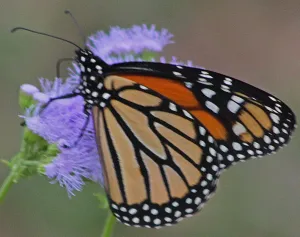
Monarch on White Mistflower, Ageratina havanenis. Photo by Greg Donica.

——————-

NPSOT-Williamson County meetings are free and open to the public. We hope you attend!  Meetings may be in person, virtual, or both, so be sure to check details in the meeting announcement. Meetings are announced on our website, our calendar and Facebook.

  • When:  We meet the second Thursday of each month from 7:00 to 8:30 PM. A short business meeting begins at 7:00 PM followed by our guest presentation.  (For in-person meetings, doors open at 6:30 PM. Check out the seed swap board, get advice from expert members, or just visit.)
  • Where:  In person and via Zoom. When in person, we normally meet at the Georgetown Public Library, 2nd floor, Hewlett Room, 402 West 8th St, Georgetown, TX 78626. If we are at a different physical location for any given month, the exception is announced in our blog, on our calendar, and on Facebook.
  • Monthly Meeting Guest Speakers: See past and upcoming topics at this link.
  • Recordings: Find video recordings of previous meetings and field trips on our YouTube channel at this link.

** ARCHIVED POST – LINKS AND IMAGES MAY NOT WORK**