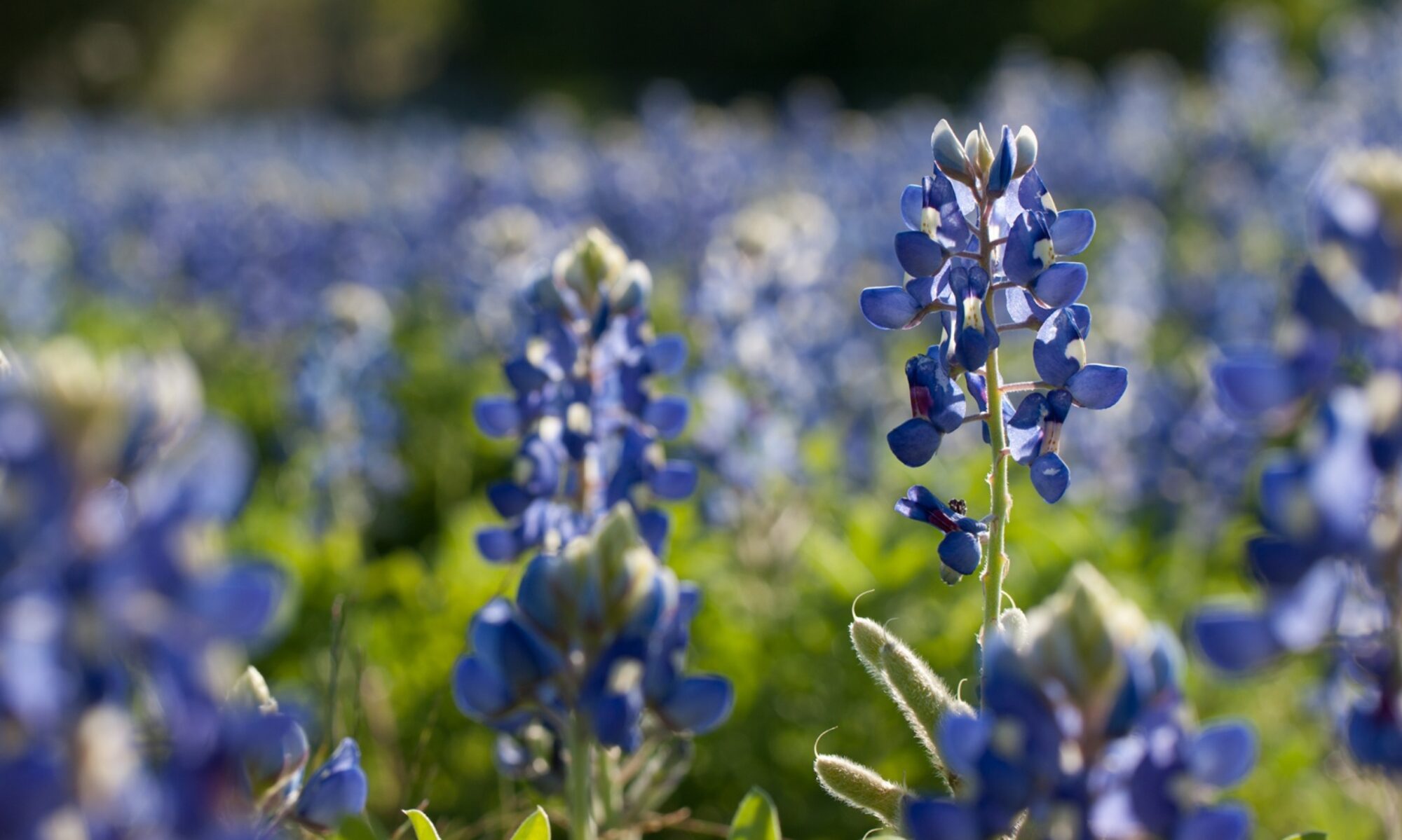
On April 11: “Promoting Habitat Restoration in Urban Areas” with Cheryl Lewis

** ARCHIVED POST – LINKS AND IMAGES MAY NOT WORK**

(Please note, tonight’s meeting is at the Cedar Park Recreation Center, not at the Georgetown Library.  See info at the bottom of this post.)

image of GT library garden
Library demo garden. Photo by Agnes Plutino.

Join us at NPSOT-Wilco’s chapter meeting on April 11, 2019, for our program topic “As it was in the beginning, it shall be again:  Promoting habitat restoration in urban areas” with Cheryl Lewis

Cheryl Lewis, from the Brazos Valley, will explain the importance of native plant communities and the ecosystem services they provide.  The current plight of insect pollinators will be explained and information provided on how using native plants in urban landscapes can help restore their habitat, health and numbers. Cheryl will discuss ways to engage the public, including newspaper articles, social media, plant sales and demonstration gardens.

Cheryl grew up in the Pineywoods and Coastal Prairie ecoregions of Texas. She comes by her love of plants from an extended family in which at least one household always had a vegetable garden and seasonal canning was routine. She graduated from Texas A&M with a Bachelor of Science in Range Science and a Master of Agriculture in Horticulture. On becoming a Texas Master Naturalist, Cheryl has focused on habitat restoration and landscaping with native plants. In addition to serving as a master naturalist, Cheryl is also president of the new Post Oak Chapter of the Native Plant Society of Texas in College Station.

###

NPSOT-Williamson County meetings are free and open to the public.

** ARCHIVED POST – LINKS AND IMAGES MAY NOT WORK**
Field Trip Report: Garey Park 2/16/19 “In Search of Early Bloomers”

** ARCHIVED POST – LINKS AND IMAGES MAY NOT WORK**
— by Vicky Husband

NPSOT Field Trip Report for Garey Park, Survey 5 of 12

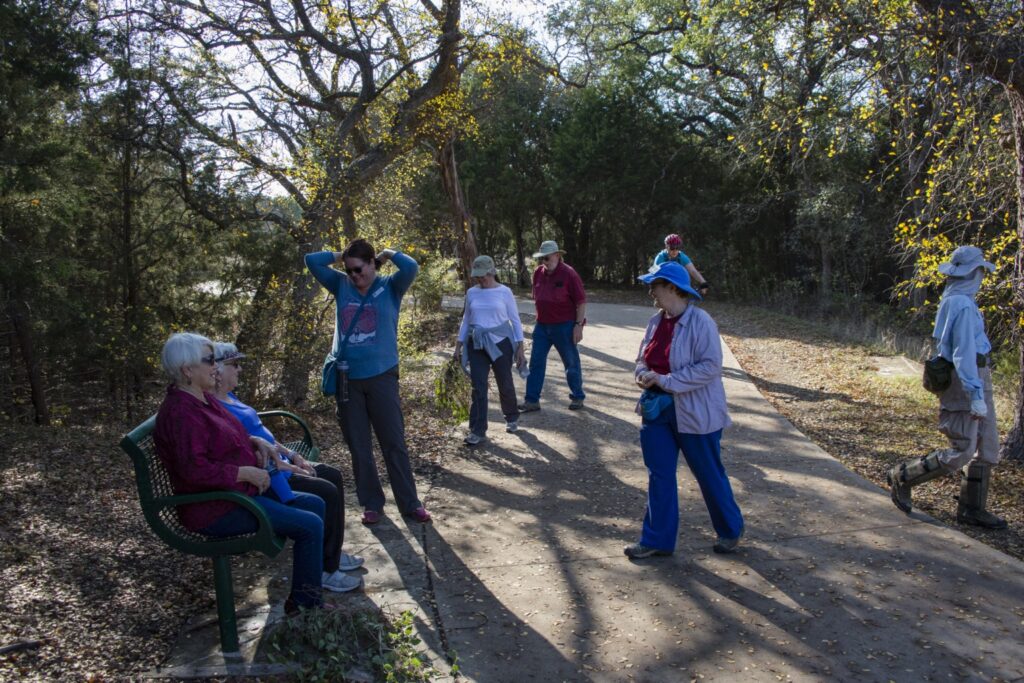
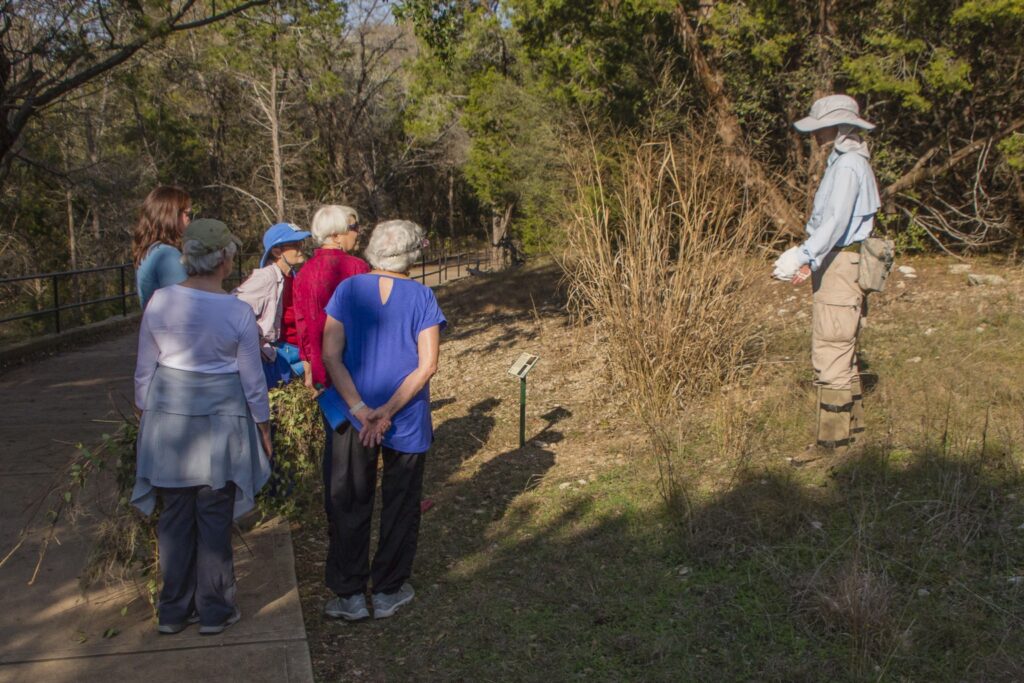
On Saturday, February 16th, 2019, thirteen field trip attendees explored the top half of the newly named Saddle Loop equestrian trail at Garey Park in Georgetown, Texas. We enjoyed finding a number of early spring blooming species, mostly with diminutive flowers, such as elbow bush, agarita, pink vervain and prairie verbena, bluets and mistletoe. This particular Saturday was overcast and chilly, but the Friday before had seen temperatures in the eighties! We were sure we would find something “tricked” by the weather. We even saw Mr. Garey out in his mule on the trail.

We observed the following species during our walk: some botanical names cited might be outdated due to recent classification revisions. Also, E.123 refers to the page number in Wildflowers of the Texas Hill Country by Marshall Enquist; W.123 refers to the page number in Trees, Shrubs, and Vines of the Texas Hill Country by Jan Wrede.

  • Agarita, blooming — Berberis trifoliolata, E.33
  • Cedar elms with wings — Ulmus crassifolia, W.168
  • Cucumber weed — Parietaria pensylvanica
  • Dakota vervain, Prairie verbena — Glandularia bipinnatifida, E.158
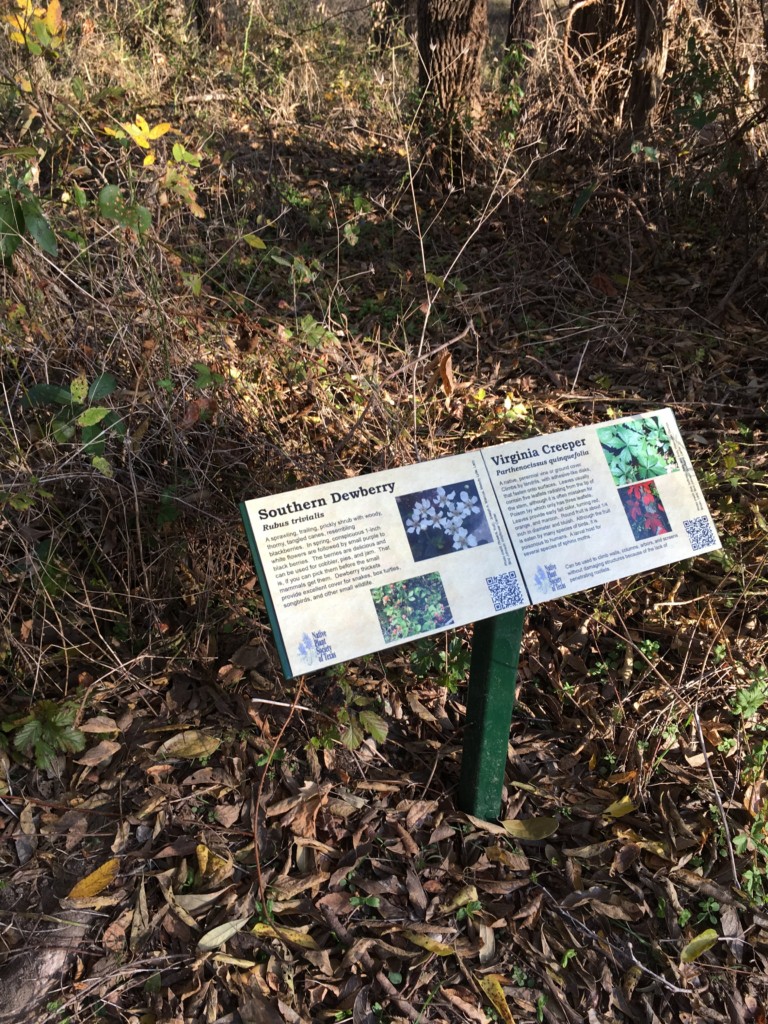
  • Dewberry — Rubus trivialis, E.49
  • Elbow bush, Spring herald, blooming — Forestiera pubescens, W.136
  • Greenbrier — Smilax bona-nox, W.189
  • Lace cactus — Echinocereus reichenbachii, E.109
  • Little bluestem — Schizachyrium scoparium
  • Malta star-thistle — Centaurea melitensis
  • Mexican Hat — Ratibida columnifera, E.227
  • Peppergrass — Lepidium virginicum, E.39
  • Pink vervain, Low verbena — Glandularia pumila, E.159
  • Sedge — Carex texensis or Carex, ssp
  • Small bluets — Houstonia crassifolia, E.197
  • Storksbill rosettes — Erodium texanum, E.80
  • Texas bluebonnet, rosette — Lupinus texensis, E.63
  • Texas thistle — Cirsium texanum, E.248
  • Twist-leaf yucca — Yucca rupicola, E.11
  • Mistletoe — Phoradendron tomentosum, W.174
  • Fruits of Western horse-nettle — Solanum dimidiatum, E.178
  • Wind-flower, white — Anemone heterophylla, E.28
  • Yellow mystery plant !
  • Yarrow — Achillea millefoilum, E.243

** ARCHIVED POST – LINKS AND IMAGES MAY NOT WORK**
Newcomer’s Winter Walk at Berry Springs

** ARCHIVED POST – LINKS AND IMAGES MAY NOT WORK**
— by Gary Bowers

Saturday, Feb 23, 2019 1:30 PM

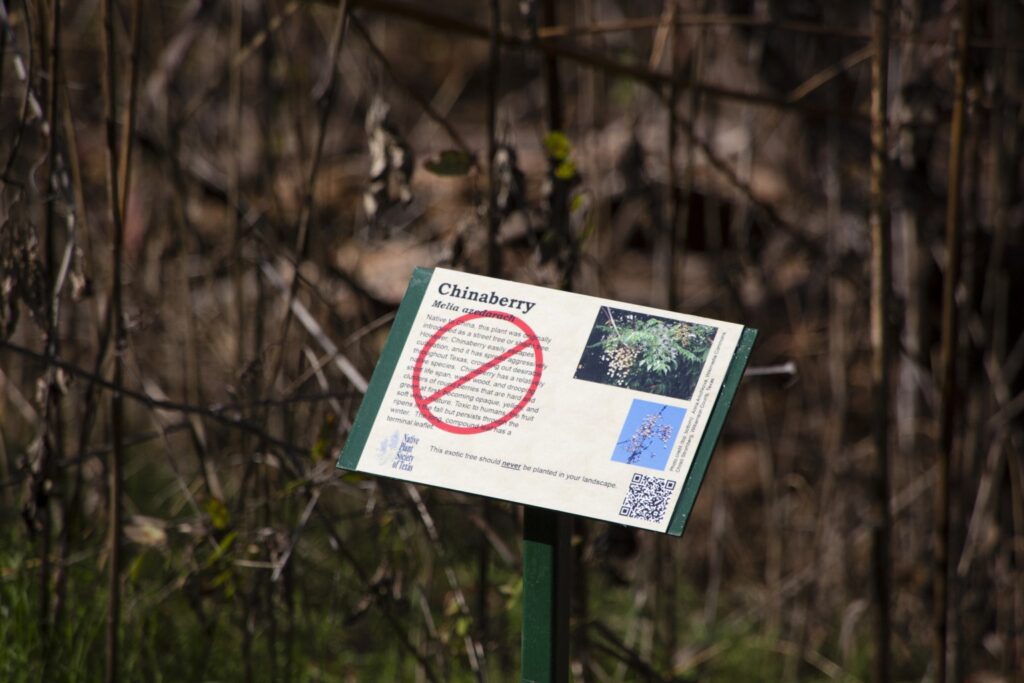
On a bright, blustery Saturday a tiny but mighty group met in the upper parking lot at Berry Springs Park and Preserve. After a short meet and greet, the team fueled up on some high carb snacks before heading into the park.

image of plant
Shepherd’s Purse (Capsella bursa-pastoris), naturalized annual

The group walked a short, level loop around the ponds chosen to provide a variety of micro-climates in a short distance. We were almost immediately greeted with the wonderful scent of a Mexican Plum (Prunus mexicana) in full bloom (and hope the summer walk coincides with the ripening of these fruits). A few minutes later, we found a large area of Bluebonnets skirting the pathway. Combined with rosettes of Cutleaf Daisy (Engelmannia peristenia) and Mexican Hats (Ratibida columnifera), we are all anticipating a great show once the blooms are underway.

While the many mature pecans (both in the orchard in the natural areas) are stand out trees, there are many hidden gems if you slow down. Ten-petal Anemones (Anemone berlandieri), clumps of Buttercups (Ranunculus spp.), thickets of Roughleaf dogwood (Cornus drummondii), Elderberries (Sambucus nigra ssp. canadensis) and clumps of Bushy bluestem (Andropogon glomeratus) were just a few of those that we saw along the walk today.

Thank you to all who braved the bad hair day and joined us! And if you didn’t make it today, we hope you’ll join us in April when we return to the park for the Spring iteration of the walk.

See photos from today’s trip at this link in our Field Trip photo album.

** ARCHIVED POST – LINKS AND IMAGES MAY NOT WORK**