Field Trip: Saturday, Sept 17, 2022, 9:30am, Lady Bird Johnson Wildflower Center Tour

** ARCHIVED POST – LINKS AND IMAGES MAY NOT WORK**

— by Kathy Galloway

Because of the drought, we’ll visit the Lady Bird Johnson Wildflower Center in September during private guided tours with LBJWC staff.  LBJWC irrigates and we can see what plants should look like in early fall in Central Texas.  I have not been to LBJWC in quite a while and always look forward to what is new and to get ideas for landscaping.

  • What: Lady Bird Johnson Wildflower Center Guided Tour
  • Where: 4901 La Crosse Ave, Austin, TX, 78739
  • When: Saturday, September 17, 2022.
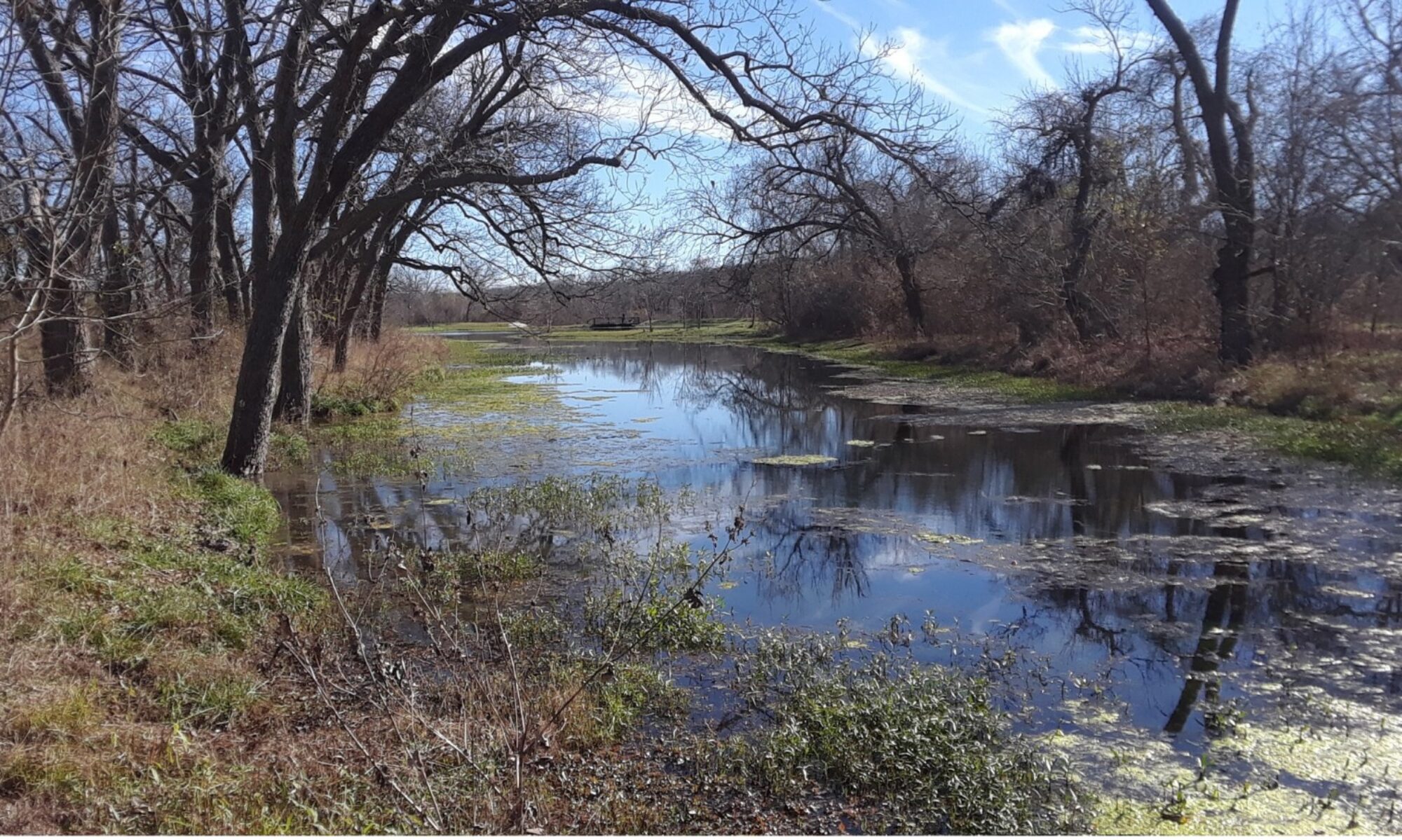
    • Arrive by 9:30AM.  Meet by the pond to the left of the entry kiosk.
    • Guided private tours start promptly at 10:00.
    • You may stay after the tour to continue exploring on your own, to check out the gift shop, or eat lunch at Wildflower Café.
  • Register by Wednesday, September 14, 2022:  Use this link to register for the tripOur field trip is open to the public but everyone must register in advance so we can reserve our spaces and be sure to have enough LBJWC guides during our visit.  (Guided tours are limited to 12 visitors per guide.)  Include whether you are a member of the Wildflower Center and/or a member of Williamson County Chapter of the Native Plant Society of Texas.

NPSOT-Williamson County will cover LBJWC’s fee for the private guides. You must cover your admission cost to the Wildflower Center in advance, per the information below.

  • If you are a member of the Wildflower Center, please bring your LBJWC membership card/id with your name on it.  Only LBJWC members will be admitted free.
  • If anyone in your party is not a member of the Wildflower Center, you must pre-pay their admission cost to Kathy Galloway so Kathy can pay the overall private guided tour cost on everyone’s behalf as requested by LBJWC.  The admission fee is $10 for seniors (65+), $15 for adults, $13 for military (with ID),  $8 for youth (ages 5 – 17). Children 4 and under are free.
    • Pay Kathy in-person by cash or check on September 8 at the next NPSOT Williamson County chapter meeting,
    • Or contact Kathy using this form to make other arrangements.

Please come prepared to walk, dressed for the weather.  You are encouraged to bring your own water bottle; The Wildflower Center has filling stations. Masks are currently optional at the Wildflower Center.

Questions? Need to confirm how you will pay Kathy Galloway?  Please contact Kathy using this form for any questions.

** ARCHIVED POST – LINKS AND IMAGES MAY NOT WORK**

September 8 Chapter Meeting (in-person and virtual): LBJWC’s resource Native Plants of North America, with Joe Marcus

** ARCHIVED POST – LINKS AND IMAGES MAY NOT WORK**

Join NPSOT-Williamson County on Thursday, September 8, 2022, when our featured topic will be LBJWC’s resource “Native Plants of North America” with Joe Marcus.  Free and open to the public. The meeting begins at 7:00 PM.

About our topic:  The presentation will cover the history of the Lady Bird Johnson Wildflower Center’s NPONA resource (Native Plants of North America), the current state of the resource, and upcoming changes.

About our speaker:  Joe Marcus began his work at the Wildflower Center in 2000, at first splitting time between gardening and database management.

Over time, the demands of the Center’s ever-growing plant databases necessitated giving up gardening.  Today, Joe manages all of the Center’s various plant databases including Native Plants of North America, the Image Gallery and Ask an Expert. Joe also manages the Wildflower Center’s library and the Center’s garden sign engraving program and is plant information editor for Wildflower magazine.

Before arriving at the Wildflower Center, Joe worked in wholesale nursery management for a number of years, having been raised in the nursery business and after receiving a bachelor’s degree in horticulture from the University of Georgia. He gained valuable database management experience during 21 years serving in the U.S. Navy and U.S. Navy Reserve. Joe’s attention to detail; love of language, writing and research; and his never-sated hunger for learning make him well-suited for the work he does at the Wildflower Center. His particular botanical interests are in plant taxonomy and plant morphology.

At every meeting, we give away a book — about native plants or the meeting topic — to one randomly chosen in-person meeting attendee and one Zoom attendee!

——————-

NPSOT-Williamson County meetings are free and open to the public. We hope you attend!  Meetings may be in person, virtual, or both, so be sure to check details in the meeting announcement. Meetings are announced on our website, our calendar and Facebook.

  • When:  We meet the second Thursday of each month from 7:00 to 8:30 PM. A short business meeting begins at 7:00 PM followed by our guest presentation.  (For in-person meetings, doors open at 6:30 PM. Check out the seed swap board, get advice from expert members, or just visit.)
  • Where:  In person and via Zoom. When in person, we normally meet at the Georgetown Public Library, 2nd floor, Hewlett Room, 402 West 8th St, Georgetown, TX 78626. If we are at a different physical location for any given month, the exception is announced in our blog, on our calendar, and on Facebook.
  • Monthly Meeting Guest Speakers: See past and upcoming topics at this link.
  • Recordings: Find video recordings of previous meetings and field trips on our YouTube channel at this link.

** ARCHIVED POST – LINKS AND IMAGES MAY NOT WORK**
What I Am Watering….

** ARCHIVED POST – LINKS AND IMAGES MAY NOT WORK**
— by Beth Erwin

I am being asked about watering native plants in the drought.  After all, we tout native plants as the correct landscaping choice to best tolerate and thrive in our climate extremes.  These days that is certainly being put to the test.

Texas Lantana, Lantana urticoides
Texas Lantana, Lantana urticoides. SH29 and Wolf Ranch Parkway, Georgetown

One shining example is this Texas Lantana, Lantana urticoides, growing practically in the concrete, at many degrees hotter than the thermometer reads on the corner of State Highway 29 (aka W University Avenue) and Wolf Ranch Parkway in Georgetown.  In the spring, the plant was smothered by invasive Johnsongrass and a couple other noxious species.  Now, as the dry, rain-free months have rolled on, the dead Johnsongrass is sort of a wispy garnish among the Lantana flowers.

I’m not watering the Texas Lantana in my yard.  I don’t have to.  It is loaded with flowers and frantic pollinators that will mean fruit for the birds.  I am watering, once a week or so, Mealy Sage, Salvia farinacea.  It would survive without water, but I have found a weekly drench keeps it flowering and that keeps the bumblebees going.

Bumblebee on Duelberg salvia, Salvia farinacea

That mindset, keeping up nectar sources for the insects and fruit available for migrating birds, is what determines which plants get water in my gardens.  The strain of Gaillardia pulchella we offered in our chapter native plant sale last fall will keep flowering if it gets water every couple of weeks.  The flowers are visited by many types of insects.  Lesser goldfinches flock to the seeds.  In one garden area I have a mound of red harvester ants.  About every third ant is marching its way back to the mound with a Gaillardia seed held aloft.

And finally, thinking toward the fall season, those species that provide the big, fresh, nectar supply going into winter—they are getting generously watered.  In my gardens those include Gregg’s Mistflower, Conoclinium greggii, White Mistflower, Ageratina havanensis, Fall Aster, Symphyotrichum oblongifolium, and Frostweed, Verbesina virginica.

Water source
Shallow water pan.

I have added more water sources around my gardens.  Shallow containers like the one pictured provide water to all sizes of critters.  The sticks and rocks provide landing places and access to small insects. I encourage everyone to make a few small steps to encourage stable populations of our key species in an increasingly sterile environment.

Photos by Beth Erwin.

** ARCHIVED POST – LINKS AND IMAGES MAY NOT WORK**